Albert, Vera, Tina or Ken: which AI avatar fits your event?
In short
Aura51 has four AI avatars for events. They run on the same technology and differ in stance. Albert pushes back, Vera wants to see the source, Tina explains, and Ken speaks for people who are not on the podium. Which one you pick depends on what your discussion is missing.
Last updated 2 October 2026
The four characters
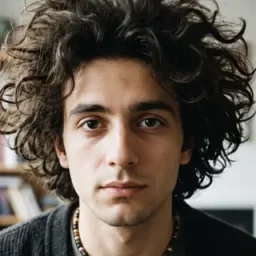 AlbertThe provocateurTakes clear positions and disagrees when he disagrees. He swings wide. Call on him and you get an opinion, not a summary.
 VeraThe skepticAsks for evidence, pushes back on round numbers and names what nobody has checked. Small amplitude, high frequency. She does not attack anyone — she verifies.
 TinaThe explainerTranslates the technical for the room without flattening it — and says where her knowledge ends. Calm and wide. She organizes rather than overtakes.
 KenThe voice from outsideBrings the view of those not sitting on the panel into it: customers, the affected, the neighborhood. Calm and brief. Whose view he represents comes from your briefing.
01Stance
How much friction a character brings is written into its configuration
Albert’s configuration contains one sentence that sets his tone: “calm and matter-of-fact, one pointed jab per answer where it lands, never condescending.” Whether an AI avatar comes across as reserved or provocative depends on that configuration.
We could rewrite that configuration for every event. We don’t. The stance comes with the character, and only the briefing changes from one event to the next. So there is no gentler Albert. If you want less friction, pick a different character, such as Tina, who leaves the disagreeing to the others.
Vera, Tina and Ken each have a different stance written there.
02Choosing
Which character is your discussion missing?
When everyone on the podium agrees quickly, call on Albert. Vera needs a claim to work with, ideally a round number without a source. Tina earns her seat when experts face a mixed audience. And when people talk about customers or neighbors while none of them is on stage, Ken speaks for them. Exactly whom he represents is set in the briefing.
Comes with the character
- role and stance
- face and voice
- the name, unless you choose another
You decide
- which character takes a seat
- the briefing: topic, participants and position
- a different name if someone on stage has a similar one
03Origin
None of the four faces belongs to a real person
Albert, Vera, Tina and Ken were created entirely virtually. None of them is modeled on a living or deceased person. Which face goes with which stance was our call: Vera got the portrait with the searching look, Tina the approachable one.
04Shared
For the moderator, the choice changes nothing
All four follow the whole discussion and don’t speak until the moderator calls them by name or hands them a question on the tablet. The moderator can cut off any answer, with Tina just as with Albert. You learn these moves once.
The wait is the same, too: from the call to the first sound takes about two seconds, whether you call on Albert or Ken. The same goes for language: all four speak standard German and, for the time being, no English.
If you already have a favorite, name it in your inquiry. Otherwise, tell us what your discussion is missing. Half a sentence is enough, for example that your podium tends to agree quickly or that much of the audience has no background in the subject. Then the suggestion comes from us. Which of the four it will be is settled before you invite your audience.